Screen Protector Tech Explained: 9H, Tempered Glass and UV Glue
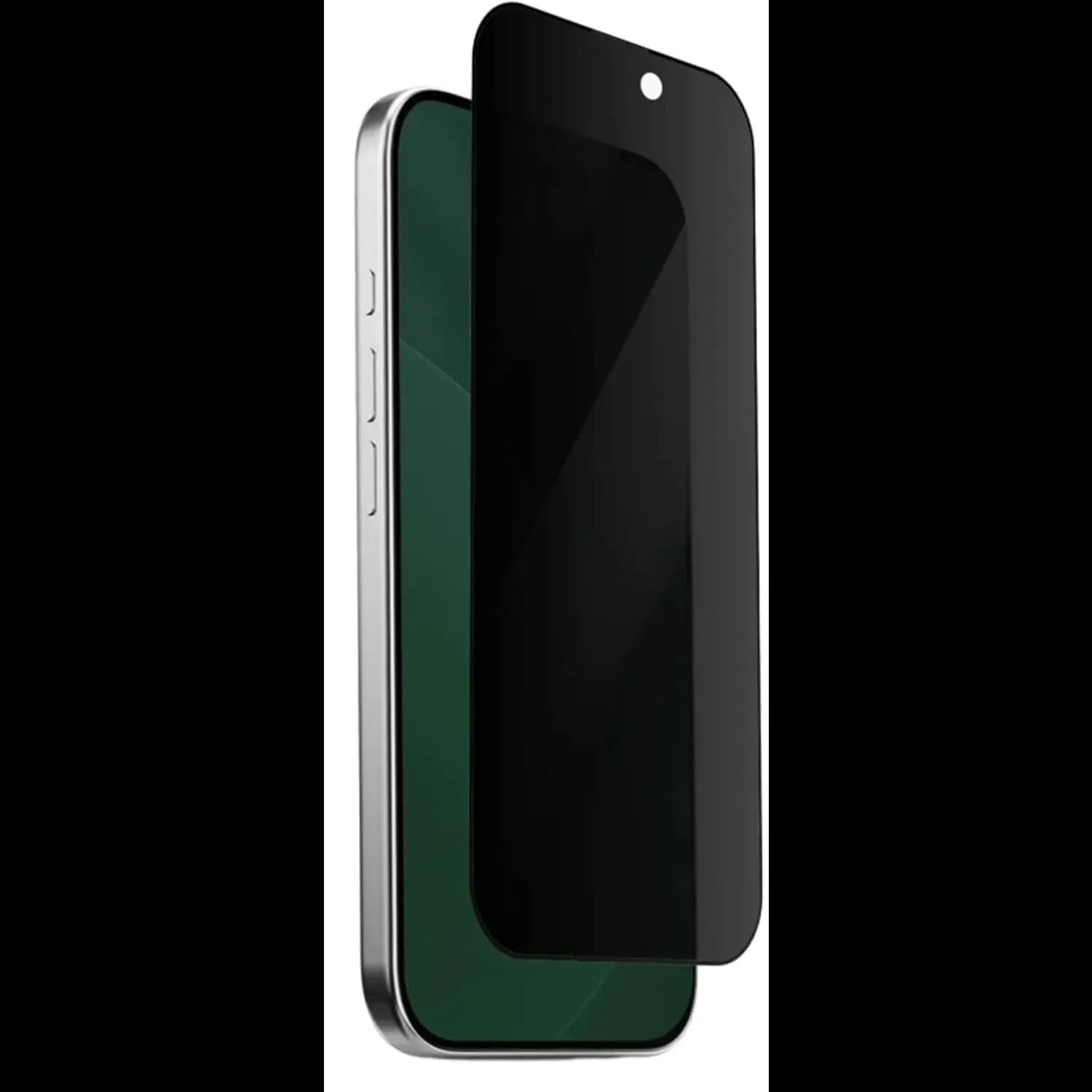
Screen protectors look simple, but the labels on the box are full of technical terms that confuse most shoppers. Understanding a few key ideas will help you sell smarter and help your customers protect their phones with confidence. Here is the technology, explained in plain language.
What does "9H" actually mean?
9H refers to hardness on the pencil scale used in the coatings industry, not to how many times harder the glass is than a phone screen. In practice, a 9H tempered glass protector resists scratches from keys, coins and sand far better than a soft plastic film. It is the single most important thing most buyers want: a surface that stays clear and scratch-free over months of daily use.
Tempered glass vs plastic film
Plastic (PET or TPU) film is thin, flexible and cheap, but it scratches easily and offers little drop protection. Tempered glass is real glass that has been heat-treated to absorb impact and shatter safely rather than cracking the display underneath. For premium phones, glass is almost always the better recommendation.
- Plastic film: lightweight, budget-friendly, good for basic scratch defence.
- Tempered glass: harder surface, better feel, real impact protection.
Flat, 3D and curved-edge coverage
Modern phones often have curved screens, so a flat protector won't sit properly at the edges. A 3D or edge-to-edge design curves to match the display for full coverage. For example, the Green Lion Screen Protector iPhone 15 Pro Max - 3D Silicone Plus is shaped to follow the phone's contours while keeping the surface clear and touch-responsive.
What is UV adhesion?
On phones with strongly curved edges, ordinary adhesive can lift at the corners. UV-glue protectors use a liquid adhesive that spreads across the whole back of the glass and is then cured with a small UV light, bonding the protector to every part of the screen. This gives a seamless look and strong edge grip. The Green Lion 3D UV Glass Screen Protector is a good example of this method for curved Samsung displays.
Coatings that matter
Two coatings make a real difference in daily use:
- Oleophobic coating: repels fingerprints and skin oils so the screen wipes clean easily.
- Anti-glare or matte finish: reduces reflections outdoors, though it can slightly soften image sharpness.
Most quality glass protectors also preserve full touch sensitivity, so features like fast typing and gaming feel unchanged.
Tips for a clean install
- Clean the screen with the included wipe and remove every speck of dust.
- Align the top edge first, then let the protector settle down on its own.
- Push out bubbles from the centre outward with a soft cloth.
For retailers, keeping a small range of both flat and 3D options covers almost every popular model. Pairing a protector at the point of sale with a new phone or case is one of the easiest add-on sales in the accessories business.
Choosing the right one
For flat-screen phones, a standard 9H tempered glass is ideal. For curved flagships, choose a 3D or UV-glue design so the edges stay firmly in place. Match the model exactly, and always check whether the phone has a curved or flat front before recommending a type.
Ready to stock protectors your customers will trust? Browse the full range at oskarb2b.com and build a lineup that fits every phone on your shelf.